Exclusive
Project Calculators
Calculate the exact materials you need for your project with our precision tools. Get accurate measurements for decking, flooring, and timber requirements.
Our decking and flooring calculators are designed to help you accurately estimate lumber and material needs for residential and commercial projects. Whether you’re building a new deck, replacing deck boards, or installing hardwood or engineered flooring, our calculators make planning faster, easier, and more accurate.
Decking Calculator
Convert square meters to linear meters for your decking project
How it works: Enter your required square meters and select your decking board size. The calculator converts square meters to linear meters based on the board width. 140mm boards cover 0.14m² per linear meter, while 90mm boards cover 0.09m² per linear meter.
Made Locally in NZ
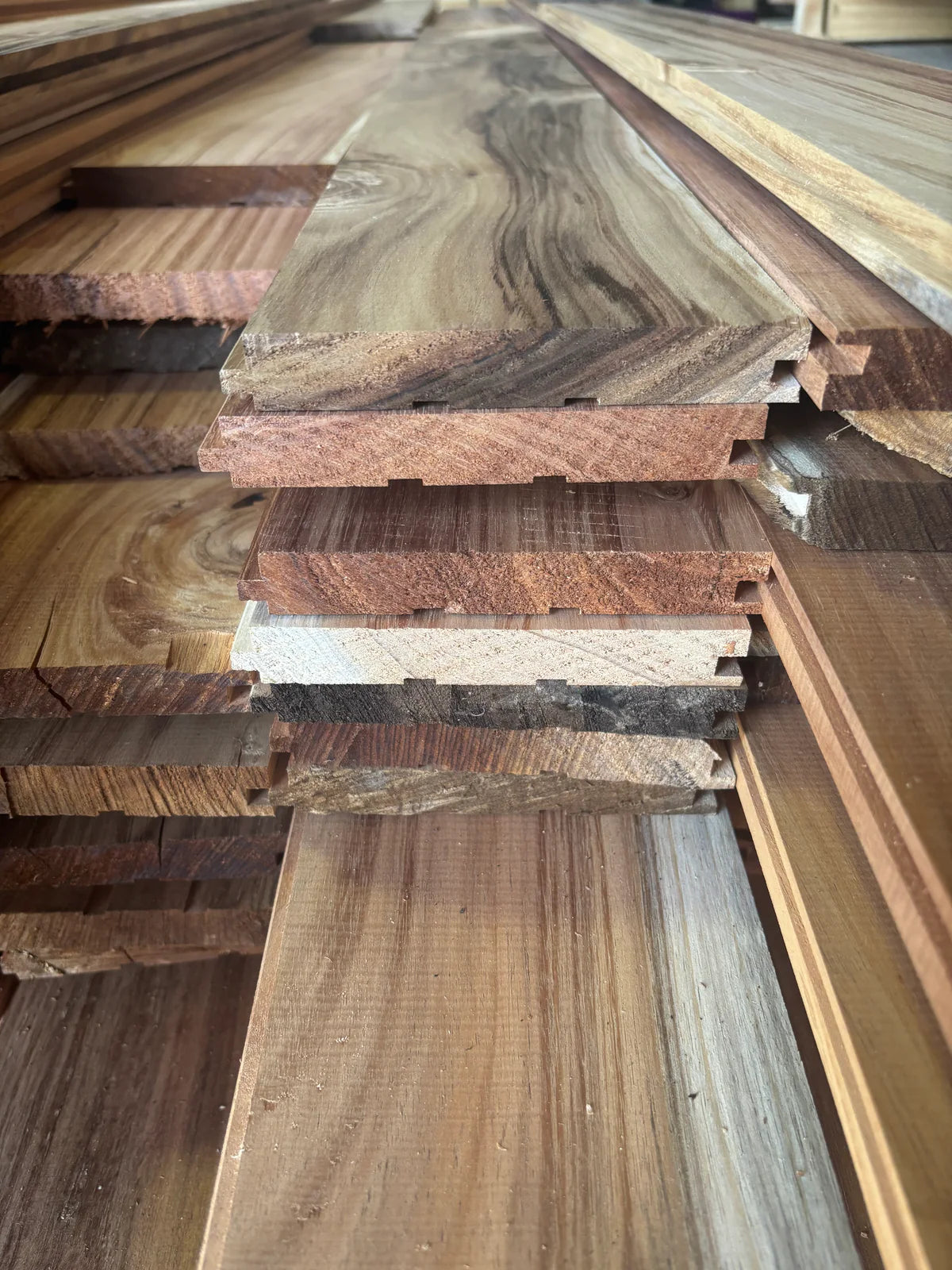
Decking and Flooring Products
Whether you’re building a new deck, replacing deck boards, or installing hardwood or engineered flooring, our products make planning faster, easier, and more accurate.
Please note: The figures given here are approximate only. Final orders and quantities placed are the buyer’s responsibility and should be checked and verified prior to order placement. Lumberdeal will not accept liability for over or under-purchased product. Thanks
Timber Flooring Calculator & Installation Guide
Timber Flooring Installation Guide - New Zealand Standards
Important: This guide follows New Zealand Building Code requirements. Always check with your local council for specific requirements and consider hiring a licensed professional for structural work.
Pre-Installation Preparation
- Moisture Testing: Subfloor moisture content must be below 18% (NZS 3602)
- Acclimatisation: Store timber in installation environment for 7-14 days
- Subfloor Preparation: Ensure level within 3mm over 3m span
- Ventilation: Minimum 150mm clearance under suspended floors
- Vapour Barrier: Install where required by NZ Building Code
Installation Process
- Direction: Install perpendicular to floor joists for maximum strength
- Starting Point: Begin from longest, straightest wall
- Expansion Gaps: Leave 10-15mm around perimeter for seasonal movement
- Staggering: Stagger end joints by minimum 300mm
- Fixing: Use appropriate fasteners every 300-400mm along joists
- Secret Nailing: Nail at 45° angle through tongue for invisible fixing
NZ Building Code Compliance
- Structural Requirements: Follow NZS 3604 for timber framing
- Fire Safety: Ensure compliance with NZBC Clause C (if applicable)
- Moisture Management: Follow NZBC Clause E2 requirements
- Thermal Performance: Consider insulation requirements under NZBC Clause H1
Professional Tip: In New Zealand's variable climate, always allow for seasonal timber movement. Coastal areas may require additional moisture protection measures.
Finishing Your Timber Floor
Sanding Preparation
- Initial Sanding: Start with 80-100 grit, progress to 120 grit
- Dust Removal: Vacuum thoroughly between each grit change
- Final Sand: Finish with 150 grit for smooth surface
- Tack Cloth: Remove all dust before applying finish
Staining Process
- Test First: Always test stain on off-cut or inconspicuous area
- Even Application: Work with the grain using lint-free cloth
- Drying Time: Allow 6-8 hours between coats in NZ climate
- Light Sanding: Lightly sand with 220 grit between stain coats
Protective Coating Options
- Polyurethane: Excellent durability, 2-3 coats recommended
- Oil-based Finish: Natural look, requires regular maintenance
- Water-based Finish: Low odour, quick drying, clear finish
- Wax: Traditional finish, requires frequent reapplication
Application Best Practices
- Temperature: Apply between 15-25°C with low humidity
- Ventilation: Ensure adequate airflow during application
- Brush Quality: Use high-quality natural bristle brushes
- Thin Coats: Apply multiple thin coats rather than thick ones
- Curing Time: Allow 7-14 days for full cure before heavy use
Safety Note: Always ensure adequate ventilation when using solvent-based products. Follow manufacturer's safety guidelines and consider environmental impact.
Maintenance Schedule
- Daily: Sweep or vacuum to remove grit and debris
- Weekly: Damp mop with appropriate floor cleaner
- Annually: Deep clean and assess for wear patterns
- 3-5 Years: Consider recoating high-traffic areas
- 10-15 Years: Full sand and refinish as needed
NZ Climate Tip: In humid coastal areas, monitor for cupping or gaps. Maintain consistent indoor humidity levels (45-65%) year-round for optimal floor performance.
Browse our Decking & Flooring Products
LumberDeck | Decking Timber
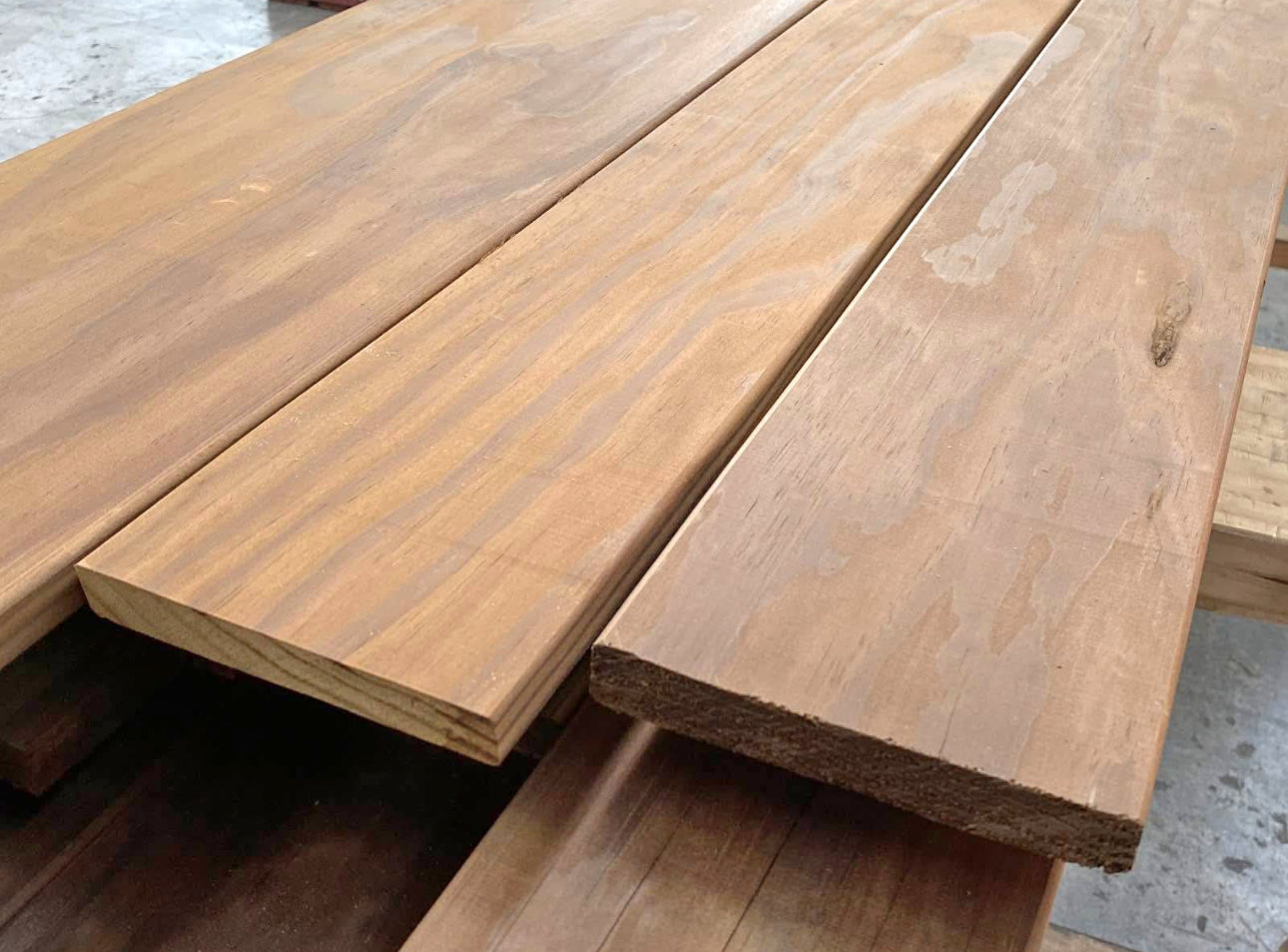
LumberDeck | Decking Timber